
Aesthetic And Functional Foot Surgery

Aesthetic & Functional Foot Surgery is a specialized field within podiatry and orthopedic surgery that focuses on enhancing the appearance and improving the function of the feet. This branch of surgery addresses both cosmetic concerns and functional issues related to the feet.
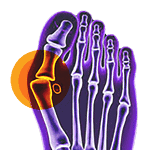
Aesthetic foot surgery involves procedures that aim to improve the visual appearance of the feet. This may include reshaping or refining the toes, correcting cosmetic issues like bunions or hammertoes, reducing excessive foot width, or addressing aesthetic concerns related to foot scars or deformities. The goal is to achieve a more aesthetically pleasing foot appearance, which can boost self-confidence and enhance overall foot aesthetics.
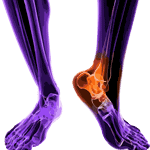
Functional foot surgery, on the other hand, focuses on addressing foot conditions and structural abnormalities that can cause pain, discomfort, or hinder normal foot function. Common functional foot surgeries include procedures to correct flat feet, high arches, foot instability, tendon or ligament repairs, joint fusions, or realignments. The objective is to improve foot mechanics, alleviate pain, enhance stability, and restore normal foot function.
Aesthetic & Functional Foot Surgery is often tailored to the unique needs and goals of each patient. Prior to surgery, a comprehensive evaluation is conducted, including a thorough examination, medical history assessment, and possibly imaging studies. This helps the surgeon develop a personalized treatment plan that addresses both the aesthetic and functional aspects of the feet.
The surgical techniques employed in aesthetic and functional foot surgery vary depending on the specific procedure and the patient’s condition. Minimally invasive approaches may be utilized whenever possible to minimize scarring, reduce postoperative pain, and expedite recovery. The surgeon will provide detailed postoperative care instructions, which may include follow-up visits, physical therapy, and rehabilitation exercises to optimize healing and achieve the desired aesthetic and functional outcomes.
Aesthetic & Functional Foot Surgery aims to provide individuals with feet that are not only visually pleasing but also free from pain and functional limitations. By combining aesthetic enhancements with the restoration of foot functionality, this specialized field helps individuals achieve both physical and emotional well-being related to their feet.
Popular Questions
You’ve got questions? We’ve got answers
View Our Treatments
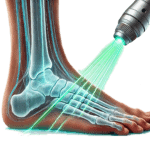
Laser Treatment For Foot And Ankle Conditions
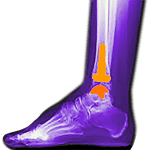
Foot and ankle problems can significantly impact our quality of life…Arthroplasty
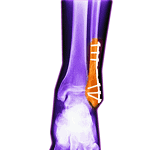
Arthroplasty is a surgical procedure that involves the reconstruction or replacement…Foot And Ankle Fractures
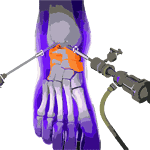
The treatment of foot and ankle fractures aims to promote proper…Foot And Ankle Arthroscopy
Foot & Ankle Arthroscopy is a specialized minimally invasive surgical technique…

 EN
EN  TR
TR  DE
DE  RU
RU  FR
FR