Treatments & Practices

Popular Questions

You’ve got questions? We’ve got answers

Your top 10 FAQs answered

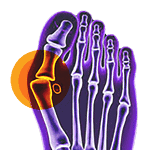
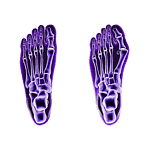
Hallux valgus is a deformity in which the big toe deviates outward (valgus), causing a prominent bump on the inner side of the big toe joint. This prominence forms on the medial side of the joint and is commonly referred to as a “bunion.” The deformity results from both the outward deviation of the big toe and the protrusion of the first metatarsal bone. Hallux valgus is a shape deformity of the foot and one of the most common forefoot problems.

Although hallux valgus can affect both men and women, it is significantly more common in women, occurring in up to 30% of the female population. The main reason is footwear choice — many women use high-heeled, narrow-toe shoes, which increase pressure on the big toe joint and accelerate deformity. When these environmental factors combine with underlying genetic predisposition, the risk becomes even higher.

Flatfeet (pes planus) occur when the inner arch collapses or sits closer to the ground, making the foot more flexible. This increased mobility often leads to instability and a higher risk of ankle sprains.

High-arched feet (pes cavus) have an excessively elevated arch and are typically rigid. Because the foot cannot absorb shock effectively, patients may develop forefoot overload, metatarsalgia, or stress fractures.

Flatfeet tend to be soft and flexible, while cavus-type feet are stiff and prone to increased pressure under the metatarsals. Both conditions can cause pain and functional limitations and may require clinical assessment to determine the most appropriate treatment.

Flatfeet are classified as either flexible or rigid, and treatment depends on this distinction. A simple clinical test—observing the heel position while standing and rising onto the toes—helps determine the type. In flexible flatfeet, the heel turns inward; in rigid flatfeet, the heel remains outward.

Identifying rigid flatfeet is especially important in childhood, as they may be linked to underlying structural conditions that require further evaluation with X-rays or MRI. Accurate diagnosis guides appropriate treatment, which can range from orthotic support and physiotherapy to more specific medical interventions when needed.

Plantar fasciitis—often referred to as a “heel spur”—is the most common cause of heel pain. It results from irritation or injury of the plantar fascia where it attaches to the heel bone. Patients typically notice sharp pain with the first steps in the morning.

The condition is influenced by foot structure and activity level. Treatment focuses on addressing the underlying cause and may include stretching, activity modification, orthotic support, or targeted medical therapies. Similar symptoms can also occur at the Achilles tendon insertion, which may contribute to heel or foot pain. Management is individualized based on the patient’s specific findings.

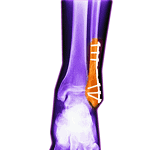
Yes. A broken bone enters a biologically controlled healing phase. Once the healing is complete, the bone regains the same strength and durability it had before the fracture. This is well-established in scientific orthopedics, and there is no debate about the healing process restoring normal structural strength.

Hallux valgus develops due to a combination of genetic factors and environmental influences. In most patients, there is a strong hereditary component causing structural foot tendencies. External factors — especially narrow or high-heeled shoes — push the toes into misalignment. When genetics and footwear interact, hallux valgus becomes more severe and more symptomatic.

Yes. Although women represent the majority of hallux valgus patients, men can also develop the condition. The difference is primarily due to footwear habits rather than biology. Men who have a genetic predisposition or wear tight footwear can experience the same deformity.

There are no proven preventive measures for flatfeet. This condition is commonly seen in childhood and often relates to the natural development of the arch. Instead of prevention, the focus is on identifying individuals who have symptoms or functional problems.

Flatfeet that cause pain, fatigue, gait changes, or activity limitations should be medically evaluated. Both children and adults may require treatment, which can include orthotic support, physiotherapy, footwear adjustments, or further medical intervention depending on the severity.

Patients typically seek medical attention when the bunion becomes painful, interferes with walking, or makes shoe wear difficult. As the deformity progresses, inflammation around the joint increases and daily activities become uncomfortable. Genetic predisposition plus lifestyle factors often lead patients to evaluation or surgery.

Get In Touch With us

Popular Questions

You’ve got questions? We’ve got answers

Hallux valgus is a deformity in which the big toe deviates outward (valgus), causing a prominent bump on the inner side of the big toe joint. This prominence forms on the medial side of the joint and is commonly referred to as a “bunion.” The deformity results from both the outward deviation of the big toe and the protrusion of the first metatarsal bone. Hallux valgus is a shape deformity of the foot and one of the most common forefoot problems.

Although hallux valgus can affect both men and women, it is significantly more common in women, occurring in up to 30% of the female population. The main reason is footwear choice — many women use high-heeled, narrow-toe shoes, which increase pressure on the big toe joint and accelerate deformity. When these environmental factors combine with underlying genetic predisposition, the risk becomes even higher.

Hallux valgus develops due to a combination of genetic factors and environmental influences. In most patients, there is a strong hereditary component causing structural foot tendencies. External factors — especially narrow or high-heeled shoes — push the toes into misalignment. When genetics and footwear interact, hallux valgus becomes more severe and more symptomatic.

Yes. Although women represent the majority of hallux valgus patients, men can also develop the condition. The difference is primarily due to footwear habits rather than biology. Men who have a genetic predisposition or wear tight footwear can experience the same deformity.

Patients typically seek medical attention when the bunion becomes painful, interferes with walking, or makes shoe wear difficult. As the deformity progresses, inflammation around the joint increases and daily activities become uncomfortable. Genetic predisposition plus lifestyle factors often lead patients to evaluation or surgery.

Yes. A broken bone enters a biologically controlled healing phase. Once the healing is complete, the bone regains the same strength and durability it had before the fracture. This is well-established in scientific orthopedics, and there is no debate about the healing process restoring normal structural strength.

Contact Form
contact us

We find the proper foot & ankle treatment for every patient

We offer exceptional foot and ankle healthcare services with a focus on providing top quality care.

We would love to schedule an in-person meeting to discuss the form, function, and beauty of your feet.

dial now

+90 (212) 231-8101